
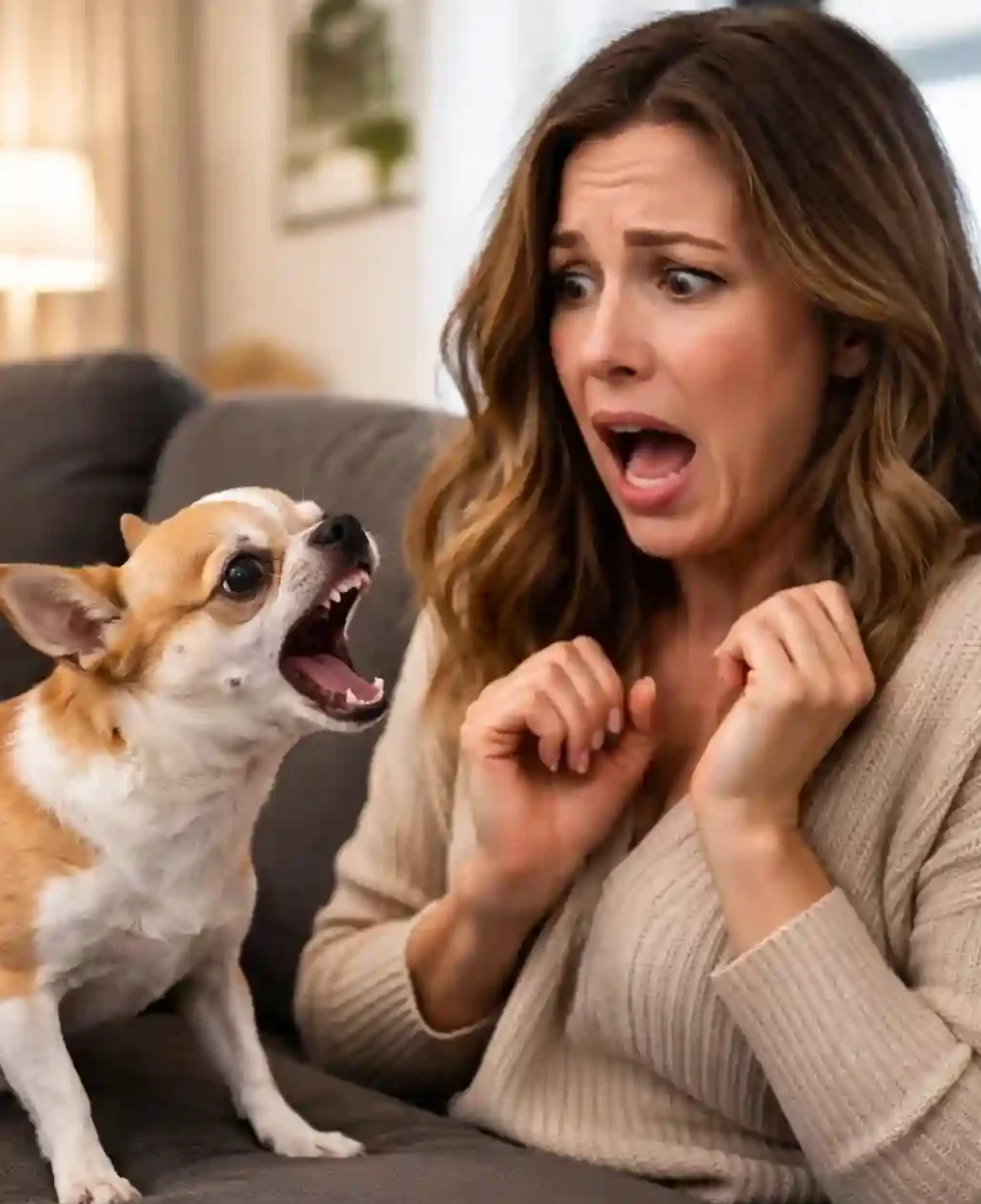
Chihuahuas. The name conjures up images of tiny, sassy dogs, often toted around in handbags. While their small size might make them seem harmless, many Chihuahua owners will attest to a different reality: these little dynamos can pack a serious punch when it comes to aggression. If you’re struggling with a snappy, growly, or overly territorial Chihuahua, you’re not alone. Understanding the root causes of Chihuahua aggression and learning effective calming techniques can transform your relationship from a battle of wills to a loving bond. This guide will walk you through everything you need to know about how to calm an aggressive Chihuahua, turning those snaps into snuggles.
1. Decoding Chihuahua Aggression: Why Is My Little Buddy So Mad?
Before diving into solutions, it’s crucial to understand why your Chihuahua is acting aggressively. It’s rarely about being “mean.” More often than not, aggression stems from fear, anxiety, or insecurity. Think of it as your Chihuahua’s way of saying, “Back off! I don’t feel safe!”
Here are some common reasons behind Chihuahua aggression:
- Fear: This is a big one. Chihuahuas, due to their small size, can be easily intimidated by larger dogs, strangers, or even loud noises. Their aggressive behavior is a defense mechanism, a way to protect themselves from perceived threats.
- Anxiety: Separation anxiety is common in Chihuahuas. When left alone, they may become destructive, bark excessively, or even become aggressive out of distress. General anxiety can also be triggered by changes in routine, new environments, or unfamiliar people.
- Genetics: Some Chihuahuas are simply predisposed to being more anxious or reactive due to their genetic makeup. Responsible breeders prioritize temperament, but genetics still play a role.
- Lack of Socialization: Early socialization is critical for all dogs, but especially for breeds prone to anxiety. If your Chihuahua wasn’t exposed to a variety of people, places, and situations as a puppy, they’re more likely to be fearful and reactive as an adult.
- Past Trauma: A history of abuse, neglect, or abandonment can leave lasting emotional scars. A Chihuahua who has experienced trauma may be more likely to exhibit defensive aggression.
- Resource Guarding: This involves protecting valued possessions like food, toys, or even their owner. A Chihuahua might growl or snap if someone approaches their food bowl or tries to take away a favorite toy.
- Pain or Medical Issues: Sometimes, aggression is a sign of underlying pain or a medical condition. A vet check is always a good idea to rule out any physical causes for your Chihuahua’s behavior.
- Small Dog Syndrome: We have to address the elephant in the room. While not a formal diagnosis, “Small Dog Syndrome” refers to behavioral issues that arise when small dogs are not properly trained and socialized, and are allowed to get away with behaviors that wouldn’t be tolerated in larger breeds. This often involves being overly protective, barking excessively, and displaying aggression towards strangers or other animals. Owners sometimes reinforce these behaviors unintentionally by coddling or being overly protective of their small dogs.
Understanding the specific triggers for your Chihuahua’s aggression is the first step in addressing the problem. Keep a journal and note when the aggressive behavior occurs, who or what was present, and what happened immediately before and after the incident. This will help you identify patterns and develop a targeted plan.
2. Creating a Calm Environment: Setting the Stage for Success
Once you’ve identified the potential triggers for your Chihuahua’s aggression, it’s time to create a calm and predictable environment. This involves minimizing stress and providing your dog with a sense of security.
Here are some strategies:
- Establish a Routine: Dogs thrive on routine. Set consistent feeding times, walk schedules, and playtime. This predictability can help reduce anxiety and create a sense of security.
- Provide a Safe Space: Give your Chihuahua a designated “safe space” where they can retreat when feeling overwhelmed. This could be a crate, a dog bed in a quiet corner, or even a blanket draped over a chair. Make sure this space is comfortable, inviting, and always accessible. Never use this space as punishment!
- Minimize Stressful Situations: Avoid situations that you know trigger your Chihuahua’s aggression. If they’re reactive to other dogs, avoid dog parks or crowded sidewalks. If they’re fearful of strangers, limit their exposure to new people until you’ve had a chance to work on socialization.
- Use Calming Aids: Consider using calming aids like pheromone diffusers (Adaptil), calming chews, or anxiety vests. These products can help reduce anxiety and promote relaxation. Always consult with your veterinarian before using any new supplements or medications.
- Reduce Noise and Stimulation: Chihuahuas can be sensitive to loud noises and chaotic environments. Keep the volume down on the TV, avoid sudden movements, and create a peaceful atmosphere in your home.
- Gentle Handling: Always handle your Chihuahua gently and respectfully. Avoid sudden grabbing or picking them up without warning. Approach them slowly and calmly, and speak in a soothing voice.
- Positive Reinforcement Training: Focus on rewarding good behavior rather than punishing bad behavior. Use positive reinforcement techniques like treats, praise, and toys to encourage calm and relaxed behavior.
Remember, creating a calm environment is an ongoing process. Be patient and consistent, and your Chihuahua will gradually learn to feel more secure and less anxious.
3. Training Techniques: Building Confidence and Control
Training is essential for managing Chihuahua aggression. It not only teaches your dog obedience but also builds their confidence and strengthens the bond between you.
Here are some key training techniques to focus on:
- Basic Obedience: Start with basic commands like “sit,” “stay,” “come,” and “leave it.” These commands provide structure and control, and they can be used to redirect your Chihuahua’s attention in potentially aggressive situations.
- Counter-Conditioning: This technique involves changing your Chihuahua’s emotional response to a trigger. For example, if your Chihuahua is aggressive towards strangers, you can pair the appearance of a stranger with something positive, like a high-value treat. The goal is to associate the stranger with something good, gradually reducing the fear and anxiety.
- Desensitization: This involves gradually exposing your Chihuahua to the trigger in a controlled and safe environment. Start with a very low-intensity version of the trigger (e.g., a stranger at a distance) and gradually increase the intensity as your Chihuahua becomes more comfortable.
- “Look At That” Game: This is a great exercise for reactive dogs. When you see a trigger (e.g., another dog), say “Look at that!” and reward your Chihuahua for looking at the trigger without reacting. This helps them learn to associate the trigger with a positive experience.
- Impulse Control Exercises: These exercises help your Chihuahua learn to control their impulses and think before reacting. Examples include “stay” exercises, waiting for food, and leaving toys alone until given permission.
- Leash Training: Proper leash training is crucial for managing aggression on walks. Use a comfortable harness or a well-fitting collar, and keep the leash loose. Avoid pulling or jerking the leash, as this can increase anxiety and reactivity. Teach your Chihuahua to walk politely on a leash, and reward them for staying calm and focused.
- Socialization (Done Right): While early socialization is ideal, it’s never too late to work on it. Expose your Chihuahua to new people, places, and situations in a controlled and positive way. Start with short, low-pressure interactions, and gradually increase the duration and intensity as your Chihuahua becomes more comfortable. Never force your Chihuahua into a situation that makes them feel uncomfortable or threatened.
Important Considerations for Training:
- Keep it Positive: Always use positive reinforcement methods. Avoid punishment, as it can increase fear and anxiety, making the aggression worse.
- Be Patient: Training takes time and consistency. Don’t get discouraged if you don’t see results immediately.
- Keep it Short and Sweet: Chihuahuas have short attention spans. Keep training sessions short and engaging, and end on a positive note.
- Seek Professional Help: If you’re struggling to manage your Chihuahua’s aggression on your own, don’t hesitate to seek help from a certified professional dog trainer or a veterinary behaviorist. They can provide personalized guidance and support.
4. Managing Aggressive Episodes: What To Do In The Moment
Despite your best efforts, there may be times when your Chihuahua becomes aggressive. Knowing how to manage these episodes safely and effectively is crucial.
Here’s what to do:
- Stay Calm: Your Chihuahua will pick up on your emotions. If you panic or get angry, it will only escalate the situation. Take a deep breath and try to remain calm.
- Remove the Trigger: If possible, remove the trigger that is causing the aggression. For example, if your Chihuahua is aggressive towards a specific person, ask that person to leave the room.
- Create Distance: If you can’t remove the trigger, create distance between your Chihuahua and the trigger. Use a barrier like a chair or a baby gate to keep them separated.
- Redirect Their Attention: Try to redirect your Chihuahua’s attention to something else, like a toy or a treat. Use a calm and soothing voice to get their attention.
- Use a “Time Out”: If your Chihuahua is escalating, you may need to put them in a “time out” in their safe space. This gives them a chance to calm down and de-escalate.
- Avoid Direct Confrontation: Do not try to physically restrain or punish your Chihuahua when they are aggressive. This can be dangerous and will likely make the aggression worse.
- Protect Yourself: If you feel threatened, protect yourself by putting a barrier between you and your Chihuahua, such as a chair or a pillow.
- Seek Professional Help: If your Chihuahua’s aggression is severe or if you feel unsafe, seek immediate help from a certified professional dog trainer or a veterinary behaviorist.
Important Safety Precautions:
- Never reach into a crate or confined space to grab an aggressive Chihuahua.
- Be cautious when handling food or toys around an aggressive Chihuahua.
- Supervise interactions between your Chihuahua and children or other pets closely.
- Consider using a muzzle in situations where aggression is likely.
5. Long-Term Management: Building a Loving Bond
Calming an aggressive Chihuahua is not a quick fix. It’s a long-term commitment that requires patience, consistency, and understanding. By implementing the strategies outlined above, you can gradually reduce your Chihuahua’s anxiety and aggression, and build a stronger, more loving bond.
Here are some key takeaways for long-term management:
- Consistency is Key: Stick to your training plan and maintain a calm environment. Consistency will help your Chihuahua feel more secure and predictable.
- Celebrate Successes: Acknowledge and reward your Chihuahua’s progress, no matter how small. Positive reinforcement will encourage them to continue making progress.
- Manage Your Own Stress: Your Chihuahua can sense your stress. Take care of yourself and find ways to manage your own anxiety.
- Continue Socialization: Continue to expose your Chihuahua to new people, places, and situations in a controlled and positive way. This will help them become more confident and well-adjusted.
- Monitor for Medical Issues: Continue to monitor your Chihuahua for any signs of pain or medical issues that could be contributing to their aggression.
- Acceptance and Understanding: Accept that your Chihuahua may always have some level of anxiety or reactivity. The goal is to manage it effectively and provide them with a loving and supportive environment.
- Build Trust: Trust is the foundation of any strong relationship. By being patient, consistent, and understanding, you can build trust with your Chihuahua and create a loving bond that will last a lifetime.
Living with an aggressive Chihuahua can be challenging, but it’s also incredibly rewarding. By understanding the root causes of their aggression and implementing effective calming techniques, you can transform your relationship from a battle of wills to a loving partnership. Remember, patience, consistency, and a whole lot of love are the keys to success. With dedication and the right approach, you can help your Chihuahua overcome their aggression and become the happy, well-adjusted companion you’ve always dreamed of.