Last Updated: July 13, 2026
Recognizing body language in Chihuahuas can feel like cracking a secret code. These tiny pups have a lot to say, if you know where to look. Just like with people, every Chihuahua has its own unique way of expressing itself, and getting it right starts with observation. Take a step back and watch their movements. You’d be amazed at what those little shifts and wiggles are telling you.
Don’t fall for the stereotypes! Chihuahuas often get a bad rap for being yappy or aggressive, but a lot of that comes from folks not really understanding what they’re trying to communicate. Just like any dog, they’ve got their moods and they wear them on their furry sleeves. This means a Chihuahua’s bark or growl might just be its way of saying ‘hey, back off’ or ‘I’m scared, help me out here hero.’
The vibe in the room matters too. Just like how you’d be more tense at the dentist than at a picnic, your Chihuahua’s surroundings play a huge role in their body language. Familiar environments might have them relaxed and open, but new places could easily have them on edge, ready to bolt or bark. So, keep your eyes peeled for how they switch up their signals when you take them outdoors or introduce them to new faces.
Each Chihuahua is a little different. Some are chatty with their body movements, while others might be more subtle and chill. Picking up on these differences takes time, but putting in the effort to really know your pup is key to understanding them better.
Building trust with a Chihuahua is like mastering a dance. It’s all about learning the steps, staying on beat with their signals, and knowing when and how to react. It’s not just about making your Chihuahua feel safe, it also helps you form a solid friendship where your little buddy knows you’re listening and ready to support them when the world feels big and scary.
Decoding Ear Positions: What Is Your Chihuahua Trying to Tell You?
Ears are like a Chihuahua’s mood ring. By keeping an eye on those little triangles on their head, you can learn a lot about what your furry friend is thinking or feeling. When a Chihuahua has its ears back, it might be their way of shouting out fears or allaying to submission. It’s not always bad—sometimes they just want to let you know they’re feeling a bit uncertain or prefer some quiet time.
Now, when those ears are sitting pretty up front and center, your Chihuahua’s curious side might be showing. It might also be a caution sign of possible aggression. These pups are always alert, so forward ears mean they’re ready for some action or checking out the scene. But don’t jump to conclusions. Watch how their ears interact with other body language cues to paint the full picture.
Ears sitting in a natural position can mean they’re in their comfort zone. Often this means your Chihuahua’s feeling relaxed and safe. It’s the vibe we all strive for with our pets—when they’re calm, all seems right in their world.
Frequency and tempo also count when it comes to ear movement. Constant twitching might indicate they’re uncomfortable, so try helping them chill or figure out what’s stressing them out. But a smooth, occasional flick might be just part of their routine ‘ear-scratch’ needing or dream chase in their nap.
Always consider the full context when deciding how to respond to ear signals. It’s not just about the ears alone. Is there a loud noise? Are they playing with or meeting someone new? Checking the scene and their entire body language helps steer you in responding right and showing them you’re there to look out for them.
From Tail to Tongue: Interpreting Full-Body Gestures
The position and movement of a Chihuahua’s tail is like tuning into a broadcast of their current feelings. A tail held high could signal confidence or alertness. On the other hand, a tucked tail is usually a shout-out that all’s not well – it might be anxiety, fear, or just plain nervousness about something in their environment.
The wag of a tail, often thought universal in dogs, isn’t always a guarantee of a happy pup. A frenzied wag can indicate overexcitement or stress just as much as joy. It’s crucial to assess what’s going on around your Chihuahua to decipher whether that wag is a happy dance or a sign that some calm is needed.
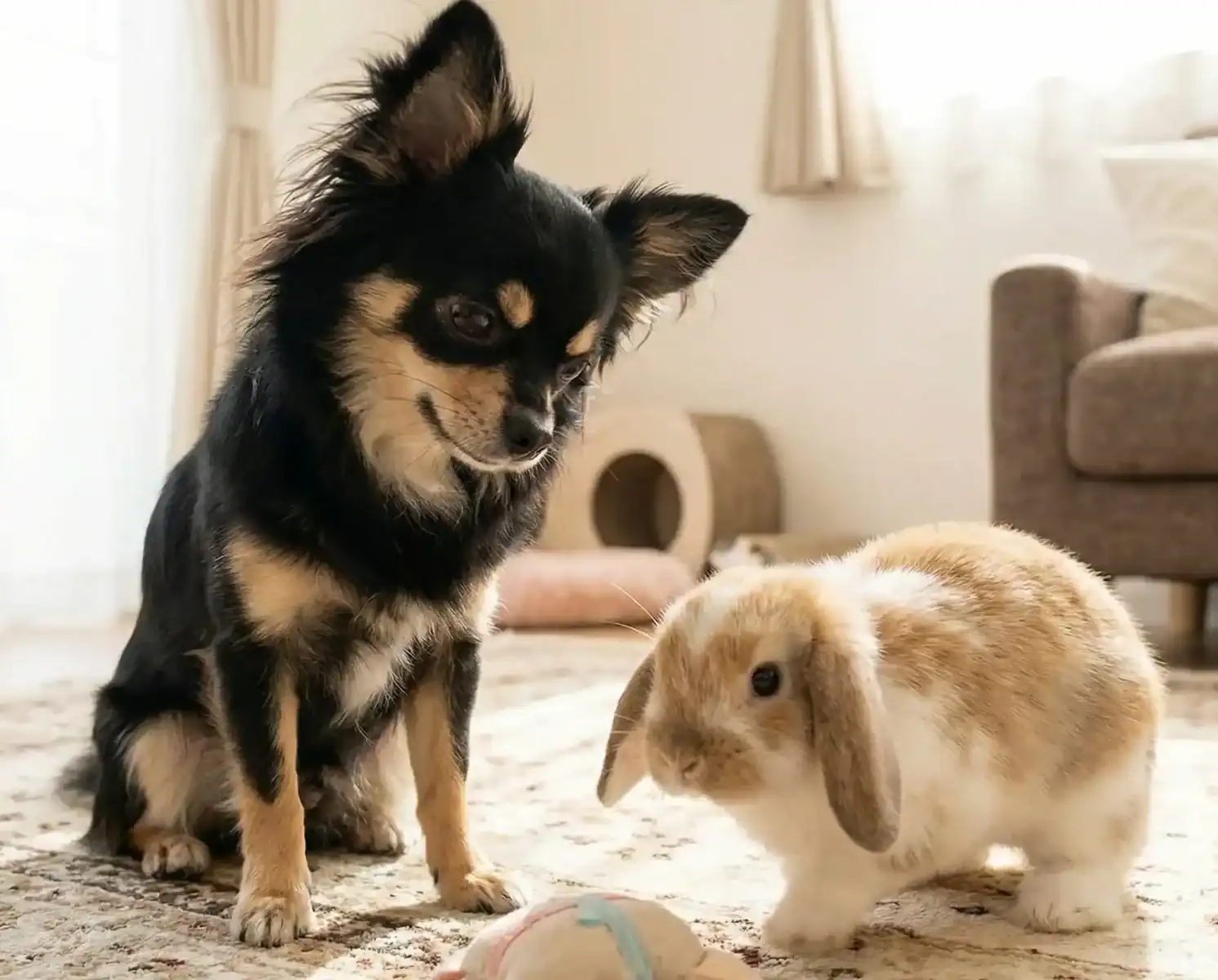
Moving up to the face, a Chihuahua’s mouth and facial expressions are crucial markers of mood. A smiley, relaxed mouth aligns with contentment, while a growl or a snarl signals it’s time to give them some space or intervene calmly. Even a yawn can be a communication tool – it might express stress more than sleepiness.
Their overall body posture gives away a lot about their mood too. A stiff, frozen posture might suggest they’re on high alert, while a loose and relaxed stance indicates they’re cool and collected. Their paws, often overlooked, can subtly shift in response to feelings; watch for raised paws or shifting movement for more clues.
Context is king when understanding full-body signals. A loud noise or sudden movement might alter their signals, making them more pronounced or even entirely shifting their mood. Reading your Chihuahua’s body as one cohesive unit, taking into account their tail, ears, and everything in between, allows you to support them fully and respond effectively.
Vocal Indicators: The Language of Chihuahua Sounds
Chihuahuas might be small, but their voices are mighty! The range of sounds they produce rivals some much bigger dogs. High-pitched barks are a bit of a Chihuahua classic, often expressing excitement or alertness, while low-pitched ones might be indicating discomfort or a threat detected. Getting a feel for these nuances makes understanding them a whole lot easier.
Growling’s a signal that can be tricky. Sometimes it’s purely playfulness, like when they tussle with toys, but it can also be a red flag to back off if they’re feeling cornered or protective. Knowing the difference is key to both keeping the peace and ensuring they’re not misunderstood.
Whining and whimpering are signals you want to pay attention to. They can convey a host of needs or wants – from feeling lonely and needing comfort to alerting you to their distress. Often, these sounds are paired with specific body language cues, so bringing it all together paints a clearer picture.
Chihuahuas have their own unique vocal quirks. Some may chat away with a series of yaps, while others might add in adorable huffs or howls. Take the time to get to know your Chihuahua’s voice; it’ll pay back in countless ways by helping you tune into their personality and daily moods.
Engage with your pup, responding to their vocalizations with calm and attention. Like a conversation between friends, acknowledging their sounds builds trust. Pet them softly or use a soothing voice to reassure them. Ultimately, it’s all about showing that you’re listening, making them feel heard, and ensuring you’re there to meet their needs.
Building Better Bonds: How to Respond to Your Chihuahua’s Signals
Nurturing a positive relationship with your Chihuahua starts with sensitive and aware interaction. By rewarding good behavior and reinforcing it with treats, love, or extra playtime, you’re letting them know what works and what you appreciate. Such positive reinforcement builds confidence and fosters a stronger connection.
Misreading body language can lead to misunderstandings. Avoid jumping to conclusions too quickly. Different cues might appear similar on the surface, but factors like context and individual habits should guide your understanding. Being patient and open to learning more about their distinctive signs is essential.
Creating a setting where your Chihuahua feels safe can transform their day-to-day experience. It’ll likely involve shaping an environment where stressors are minimized, comforting items abound, and routines are predictable. A happy, secure Chihuahua will show a full range of healthy signals, free of tension and anxiety.
Communication isn’t just about understanding their methods – it’s about being proactive in showing you care. Taking the time to listen and respond appropriately deepens your bond. So, when their signals say ‘I’m scared’ or ‘I’m thrilled’, they know you’re tuned in and ready to be their ally.
Many owners have found success by consistently acknowledging and reacting to their Chihuahuas’ signals. Whether by calming them during storms or celebrating when they’re in a joyful mood, paying such close attention pays off in mutual trust and stronger companionship. It’s all about building a lifestyle of connection that supports a fulfilled and happy dog.