
Last Updated: May 24, 2026
Chihuahuas bring so much joy into our lives. They are little bundles of personality. That’s why we love our little Chi. And as responsible Chihuahua parents, ensuring their health and well-being is our top priority. And that starts with finding the right veterinarian.
But with so many options out there, how do you find a vet who’s not only qualified but also understands the unique needs of your little companion? Don’t worry; this guide will walk you through everything you need to know about “how to find a vet for my chihuahua”.
Why Finding the Right Vet Matters for Your Chihuahua
Chihuahuas, with their petite frames and distinctive features, have specific health considerations. A vet experienced with small breeds will be better equipped to:
- Recognize Breed-Specific Issues: Chihuahuas are prone to certain conditions like patellar luxation (kneecap dislocation), hypoglycemia (low blood sugar), tracheal collapse, and dental problems. A knowledgeable vet will be vigilant in screening for these issues.
- Administer Appropriate Anesthesia: Due to their small size, Chihuahuas require careful anesthesia protocols. An experienced vet will know the proper dosages and monitoring techniques to ensure their safety during procedures.
- Provide Tailored Care: From vaccinations to dental care, a good vet will customize their approach to suit your Chihuahua’s individual needs and sensitivities.
Where to Begin Your Search: Gathering Recommendations
The first step in how to find a vet for my chihuahua is gathering recommendations. Here are some reliable sources to tap into:
Ask Fellow Chihuahua Owners
Connect with other Chihuahua enthusiasts online or in person. They can share their experiences with local vets and provide valuable insights.
Consult Your Local Animal Shelter or Rescue Organization
Shelters and rescues work closely with vets and often have a list of trusted professionals they recommend.
Seek Referrals from Your Friends and Family
Even if they don’t own Chihuahuas, your friends and family may have positive experiences with vets who treat small breeds.
Online Reviews: A Double-Edged Sword
Websites like Yelp, Google Reviews, and Vitals can provide valuable information, but take them with a grain of salt. Focus on recurring themes and patterns rather than isolated incidents.
What to Look for in a Veterinarian: Essential Qualities
Once you have a list of potential candidates, it’s time to evaluate their qualifications and suitability. Here’s what to look for:
Credentials and Experience
- Licensed and Accredited: Ensure the vet is licensed to practice in your state and the clinic is accredited by a recognized organization like the American Animal Hospital Association (AAHA).
- Experience with Small Breeds: Inquire about their experience treating Chihuahuas or other small breeds. The more experience they have, the better equipped they’ll be to handle your dog’s specific needs.
- Continuing Education: A good vet stays up-to-date on the latest advancements in veterinary medicine through continuing education courses and conferences.
Clinic Environment
- Cleanliness and Organization: A well-maintained clinic is a sign of professionalism and attention to detail.
- Comfortable Atmosphere: The clinic should feel welcoming and calming for both you and your Chihuahua.
- Modern Equipment: Access to advanced diagnostic tools like digital X-rays and ultrasound can improve the accuracy and efficiency of treatment.
Communication and Compassion
- Good Communication Skills: The vet should be able to explain complex medical concepts in a clear and understandable manner.
- Active Listening: They should take the time to listen to your concerns and answer your questions thoroughly.
- Compassionate Approach: A good vet genuinely cares about animals and treats them with kindness and respect.
Services Offered
- Preventative Care: Routine checkups, vaccinations, parasite control, and dental care are essential for maintaining your Chihuahua’s health.
- Diagnostic Services: The clinic should offer a range of diagnostic tests to identify and diagnose health problems.
- Treatment Options: Inquire about the types of treatments offered, including medical, surgical, and alternative therapies.
- Emergency Care: Find out what their emergency protocols are and whether they offer after-hours care or referrals to an emergency clinic.
Red Flags to Watch Out For: Things to Avoid
While you’re searching for the perfect vet, be aware of these warning signs:
- Lack of Transparency: A vet who is unwilling to answer your questions or provide detailed explanations may be hiding something.
- Pushy Sales Tactics: Be wary of vets who try to pressure you into unnecessary treatments or products.
- Poor Communication: If you have difficulty understanding the vet or feel like your concerns are being dismissed, it’s a red flag.
- Dirty or Unorganized Clinic: A poorly maintained clinic can indicate a lack of attention to detail and hygiene.
- Negative Reviews: Pay attention to recurring negative reviews online, especially those mentioning issues like misdiagnosis, poor communication, or unethical practices.
The All-Important First Visit: A Trial Run
Once you’ve narrowed down your options, schedule a “meet and greet” appointment with each vet. This will give you a chance to:
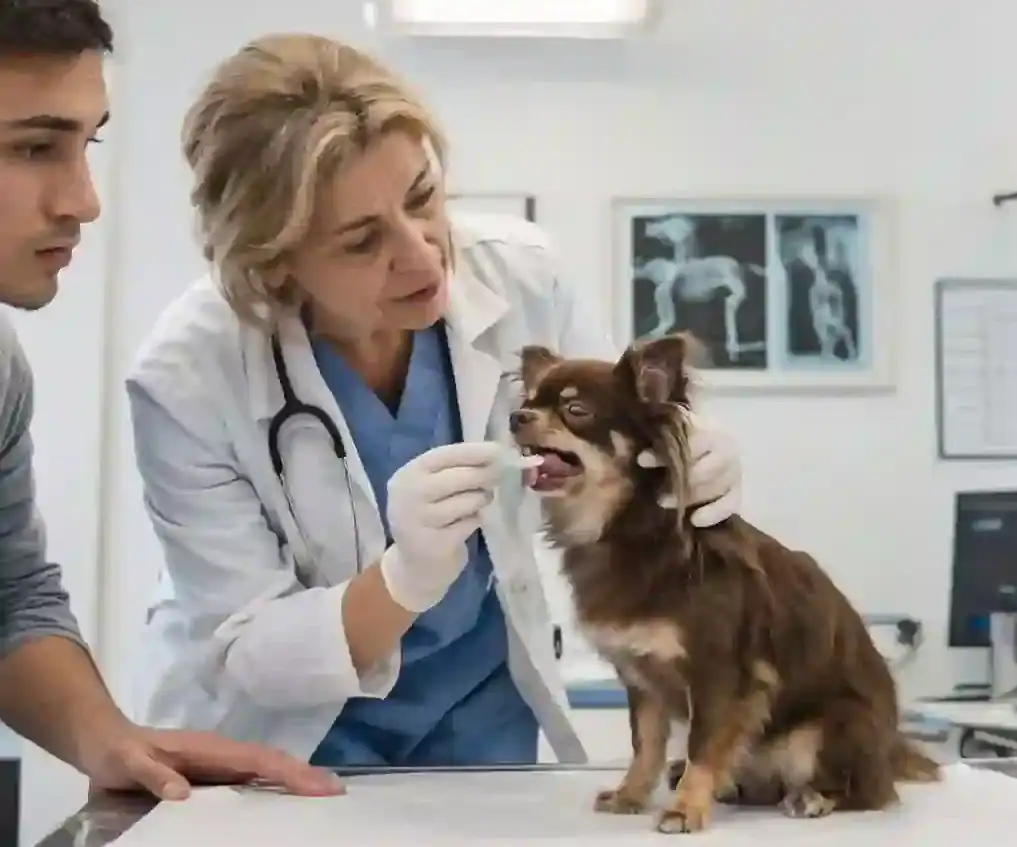
- Observe Their Interaction with Your Chihuahua: Pay attention to how the vet handles your dog and whether they seem comfortable and confident.
- Ask Questions: Prepare a list of questions to ask the vet about their experience, approach to care, and fees.
- Assess the Clinic Atmosphere: Get a feel for the overall environment and how the staff interacts with patients.
- Discuss Your Chihuahua’s Specific Needs: Share any relevant medical history or concerns you have about your dog’s health.
Key Questions to Ask Your Potential Vet
To make the most of your “meet and greet” appointment, here are some essential questions to ask:
- “How much experience do you have treating Chihuahuas or other small breeds?”
- “What are your protocols for anesthesia in small dogs?”
- “How do you approach preventative care for Chihuahuas?”
- “What are your fees for routine checkups, vaccinations, and dental cleanings?”
- “Do you offer payment plans or accept pet insurance?”
- “What are your emergency protocols, and do you offer after-hours care?”
- “How do you stay up-to-date on the latest advancements in veterinary medicine?”
- “Can you provide references from other Chihuahua owners?”
Trust Your Gut: Making the Final Decision
After meeting with several vets, take some time to reflect on your experiences. Which vet made you feel the most comfortable and confident? Which one seemed the most knowledgeable and compassionate? Trust your gut instinct and choose the vet who you believe will provide the best possible care for your Chihuahua.
Building a Lasting Relationship with Your Vet
Finding the right vet is just the beginning. To ensure your Chihuahua receives the best possible care, it’s important to build a strong and lasting relationship with your chosen veterinarian. Here are some tips:
- Be Proactive: Schedule regular checkups and vaccinations to prevent health problems.
- Communicate Openly: Share any concerns or changes in your Chihuahua’s behavior with your vet.
- Follow Their Recommendations: Adhere to your vet’s advice regarding diet, exercise, and medication.
- Be a Responsible Pet Owner: Provide your Chihuahua with a healthy diet, regular exercise, and plenty of love and attention.
The Importance of Preventative Care for Chihuahuas
Chihuahuas, like all dogs, benefit greatly from preventative care. Regular checkups, vaccinations, and parasite control can help prevent serious health problems and ensure your Chihuahua lives a long and healthy life. Here’s why preventative care is so important:
- Early Detection: Routine checkups allow your vet to detect potential health problems early on, when they are often easier to treat.
- Vaccination: Vaccinations protect your Chihuahua from potentially deadly diseases like rabies, distemper, and parvovirus.
- Parasite Control: Parasites like fleas, ticks, and heartworms can cause serious health problems in Chihuahuas. Regular parasite control can help prevent these infestations.
- Dental Care: Chihuahuas are prone to dental problems, so regular dental cleanings are essential for maintaining their oral health.
Understanding Common Chihuahua Health Issues
Being aware of the health issues that commonly affect Chihuahuas can help you be a more informed and proactive pet owner. Here are some of the most common conditions to watch out for:
- Patellar Luxation: This condition involves the kneecap dislocating from its normal position. It can cause pain and lameness.
- Hypoglycemia: Low blood sugar can be a serious problem in Chihuahuas, especially puppies. Symptoms include weakness, tremors, and seizures.
- Tracheal Collapse: This condition involves the trachea (windpipe) collapsing, making it difficult for the dog to breathe.
- Dental Problems: Chihuahuas are prone to dental problems like tooth decay and gum disease due to their small mouths and crowded teeth.
- Heart Problems: Some Chihuahuas are prone to heart conditions like mitral valve disease.
The Role of Diet and Exercise in Chihuahua Health
A healthy diet and regular exercise are crucial for maintaining your Chihuahua’s overall health and well-being. Here are some tips:
- Choose a High-Quality Dog Food: Select a dog food that is specifically formulated for small breeds and contains high-quality ingredients.
- Feed Appropriate Portions: Avoid overfeeding your Chihuahua, as obesity can lead to a variety of health problems.
- Provide Regular Exercise: Chihuahuas need regular exercise to stay healthy and happy. Short walks, playtime, and interactive toys are all great options.
- Avoid Table Scraps: Table scraps can be unhealthy for Chihuahuas and can contribute to weight gain.
Conclusion: Your Chihuahua’s Health is Worth the Effort
“How to find a vet for my chihuahua” can feel overwhelming, but it’s one of the most important decisions you’ll make as a pet owner. By following these tips and taking the time to find a vet who’s knowledgeable, compassionate, and experienced with small breeds, you can ensure your Chihuahua receives the best possible care.
Remember, a healthy Chihuahua is a happy Chihuahua, and a happy Chihuahua brings immeasurable joy to your life. So, take your time, do your research, and trust your gut. Your little companion deserves nothing less!